

WhatsApp selling is real business, not a stopgap — it is personal, trusted, free, and for many shops it is the best salesman they ever had. So the question deserves a straight answer: no, you do not need an app on day one. You need the next step only when a specific pain appears.
The ladder, and its pain signals
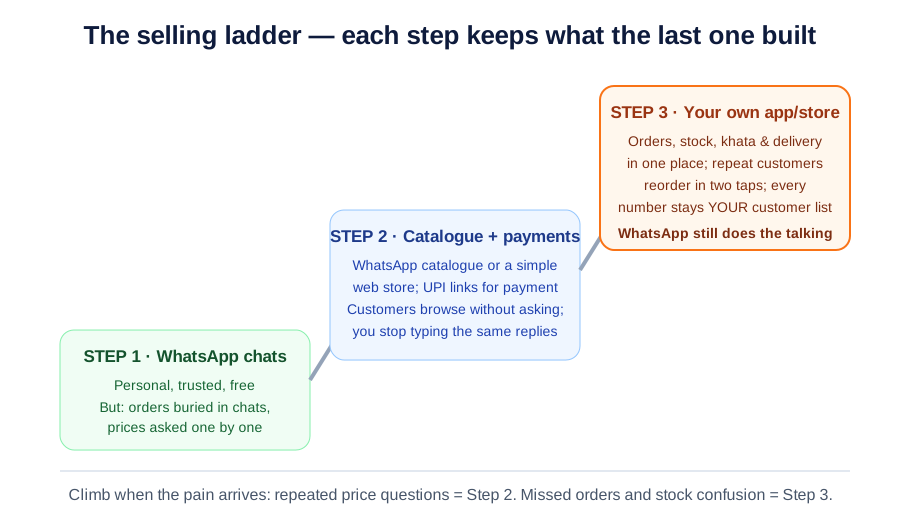
Step one is chats — where everyone starts. It creaks when you type the same price list twenty times a day and orders drown between good-morning messages. That pain means climb to step two: a catalogue with payments — a WhatsApp catalogue or a simple web store page, with UPI links. Customers browse and pay without asking; you stop being a human price-list.
Step two creaks differently: stock confusion ("aapne bola tha available hai!"), missed orders during rush, no record of who bought what, delivery chaos. Those are step-three signals. Your own ordering app or store puts orders, stock, khata and delivery in one place — regulars reorder in two taps, and every customer number stays in your list, an asset no marketplace gives you.
The part most people miss
Climbing the ladder does not abandon WhatsApp — it keeps WhatsApp as the conversation and moves the paperwork into a system. The chat says "order karna hai"; the link does the order-taking; WhatsApp delivers the bill and the "out for delivery" message. Customers feel the same warmth; you stop doing data entry at midnight.
Move when the pain arrives, not before. Repeated price questions = get a catalogue. Missed orders and stock confusion = get your own store.
When step three comes, our Retail & General Stores suite does exactly this — your own branded ordering, billing, stock and khata at a flat ₹3 per order, never a percentage of your sales. The ladder should raise your profit, not your rent.